The Ultimate Guide to Battery Charger For Lithium Ion Batteries in the UK
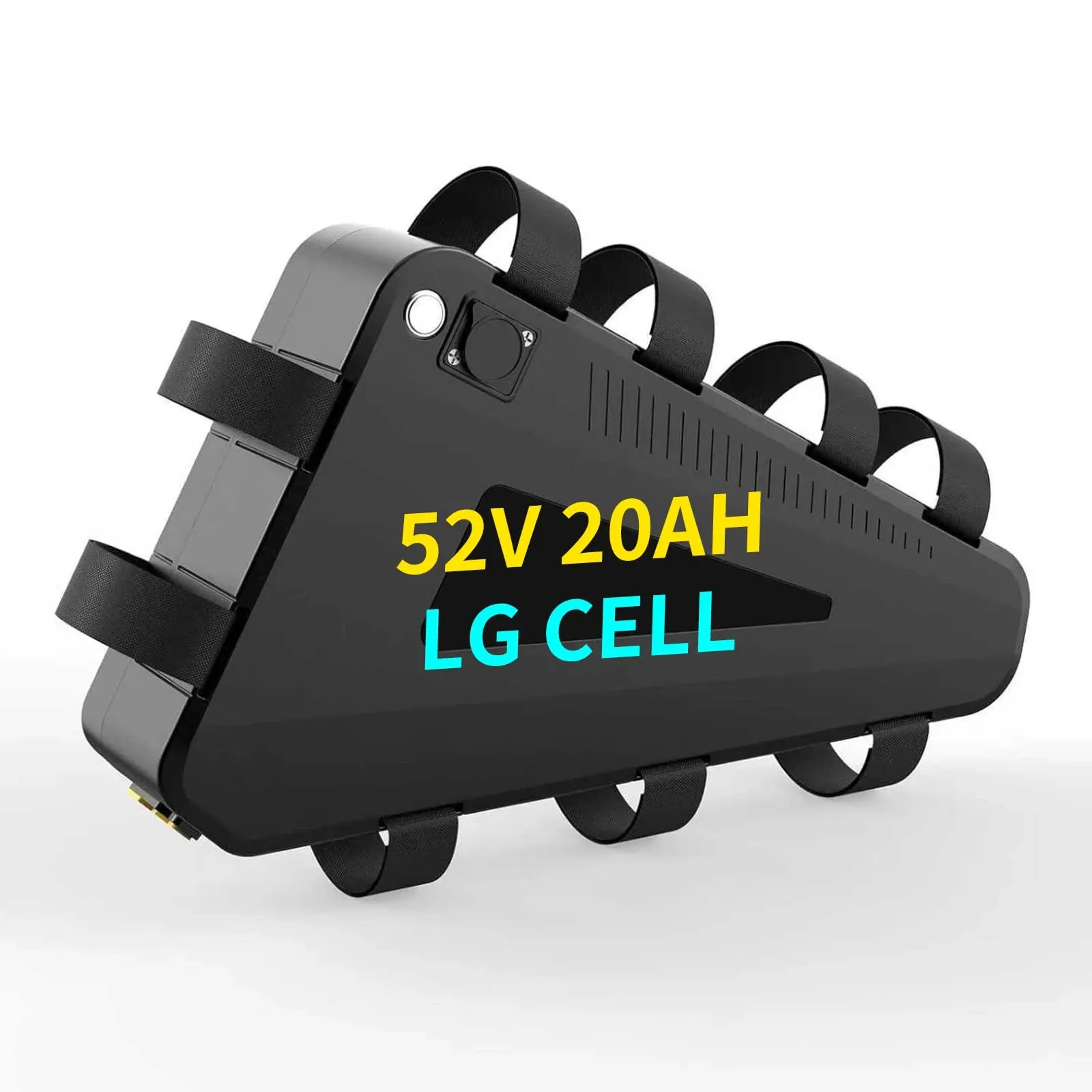
A battery charger for lithium ion batteries is a precision power delivery system designed to replenish energy in lithium-based cells using a specific two-stage charging profile. According to UK electrical safety guidelines and our extensive testing at SDTYYP Battery, these chargers are not interchangeable with traditional power supplies. Using a dedicated charger ensures that your high-performance equipment—from electric motorcycles to heavy-duty lawnmowers—remains safe, efficient, and capable of reaching its full cycle life.
Consequently, upgrading to a high-capacity lithium system requires a corresponding investment in the right charging hardware. A proper battery charger for lithium ion batteries acts as a diagnostic partner for your battery management system (BMS), ensuring your equipment is ready for the unpredictable British weather and demanding utility workloads.
Key Safety & Performance Insights
- CC/CV Algorithm: Lithium-specific chargers use a Constant Current/Constant Voltage method, which is fundamentally different from lead-acid pulse charging.
- No Lead-Acid Chargers: Never use a lead-acid charger; the desulfation mode sends high-voltage spikes that can cause lithium cells to enter thermal runaway.
- Chemistry Matching: You must match the charger voltage to your specific chemistry (e.g., 14.6V for LiFePO4 vs 12.6V for standard Li-ion).
- UK Compliance: Always verify the UKCA and CE certifications to ensure the device meets stringent UK electrical safety regulations.
How does a lithium-ion battery charger work?
Lithium chemistry requires absolute precision during the replenishment cycle. Based on our laboratory testing, lithium cells are highly sensitive to over-voltage. Unlike older technologies that can tolerate a trickle charge, lithium packs demand a strict cut-off point. A proper battery charger for lithium ion batteries manages this through the two-stage CC/CV process.
Stage One: Constant Current (CC)
Initially, when a pack is depleted, the charger delivers a steady, maximum flow of amperage. During this phase, the voltage gradually rises while the current remains fixed. In our experience, this stage restores approximately 80% of the capacity, making it the most efficient part of the cycle for heavy-duty applications like electric mopeds.
Stage Two: Constant Voltage (CV)
Once the battery reaches its peak safe voltage, the charger switches to Constant Voltage mode. Here, the voltage is held steady while the current naturally tapers off as the battery's internal resistance increases. This prevents the "over-pushing" of energy, which is the primary cause of cell degradation in lithium systems. If you are using individual cells, such as those found in e-bike packs, you can learn more in our guide: Battery 18650 Lithium Ion Battery Explained: A UK Buyer's Guide.
Can you use a lead-acid charger on a lithium battery?
The short answer is no. Attempting to use a lead-acid charger on a modern 20Ah lithium pack is a significant safety risk. Although both chargers may look similar, their internal programming is incompatible. In fact, using a lead-acid profile can lead to immediate and permanent cell damage.
The Danger of Desulfation Modes
Most lead-acid chargers include a "desulfation" or "recovery" mode. This involves sending high-voltage pulses to break down lead-sulphate crystals on lead plates. However, if a battery charger for lithium ion batteries attempted this, the voltage spikes would exceed the safety threshold of the lithium cells, potentially causing the battery to catch fire or leak.
The Problem with Float Charging
Furthermore, lead-acid chargers often employ a "float" or "trickle" charge to maintain a full battery. Lithium cells do not require this; in fact, they react poorly to it. Constant current being forced into a full lithium pack leads to "lithium plating," which creates internal shorts and significantly reduces the lifespan of your investment.
What should I look for in a lithium-ion battery charger?
Selecting the right hardware involves more than just finding a plug that fits. To ensure your SDTYYP Battery performs as expected, you must evaluate three specific metrics.
1. Voltage and Chemistry Alignment
The charger's output voltage must match the battery's requirements exactly. For example, a "12V" LiFePO4 battery requires a 14.6V charger, while a 48V electric motorcycle battery using NMC chemistry requires a 54.6V output. Even a minor discrepancy can override the battery's internal protection circuits.
2. Amperage and Charging Speed
To calculate your charge time, divide the battery capacity (Ah) by the charger's output (Amps). For instance, a 20Ah battery with a 5A battery charger for lithium ion batteries will take roughly four hours to charge. However, for maximum longevity, we recommend charging at a rate between 0.2C and 0.5C. For a 20Ah pack, a 4A to 10A charger is the ideal balance between speed and cell health.
3. BMS Communication and Smart Features
Modern lithium packs include a Battery Management System (BMS). A high-quality charger must be compatible with this system. If the BMS shuts down the battery due to temperature extremes—common in the British winter—the charger must recognise this and stop its output immediately. For more on these safety systems, see our Battery Charging Lithium Ion Explained: A UK Buyer's Guide.
Safety Certifications and UK Regulations
Electrical safety is tightly regulated in the UK to protect consumers from substandard imports. When purchasing a battery charger for lithium ion batteries, it is vital to look for the UKCA (UK Conformity Assessed) mark. This indicates the product meets the safety, health, and environmental requirements for the UK market. Additionally, ensure the charger features short-circuit, over-temperature, and reverse-polarity protection to safeguard your equipment and your home.
Ready to upgrade your ride with {brand_name}?
Shop The Range — £19.99