Email support
Free UK Next-Day Delivery on All Orders Ordered Before 2PM

Battery Charging Lithium Ion Explained: A UK Buyer's Guide
Battery Charging Lithium Ion Explained: A UK Buyer's Guide
By Chloe J.2026-05-177 min read

Short answer: A lithium-ion battery charging setup is a worthwhile buy when it explicitly supports the battery chemistry, voltage and cell count and provides clear independent charge monitoring.

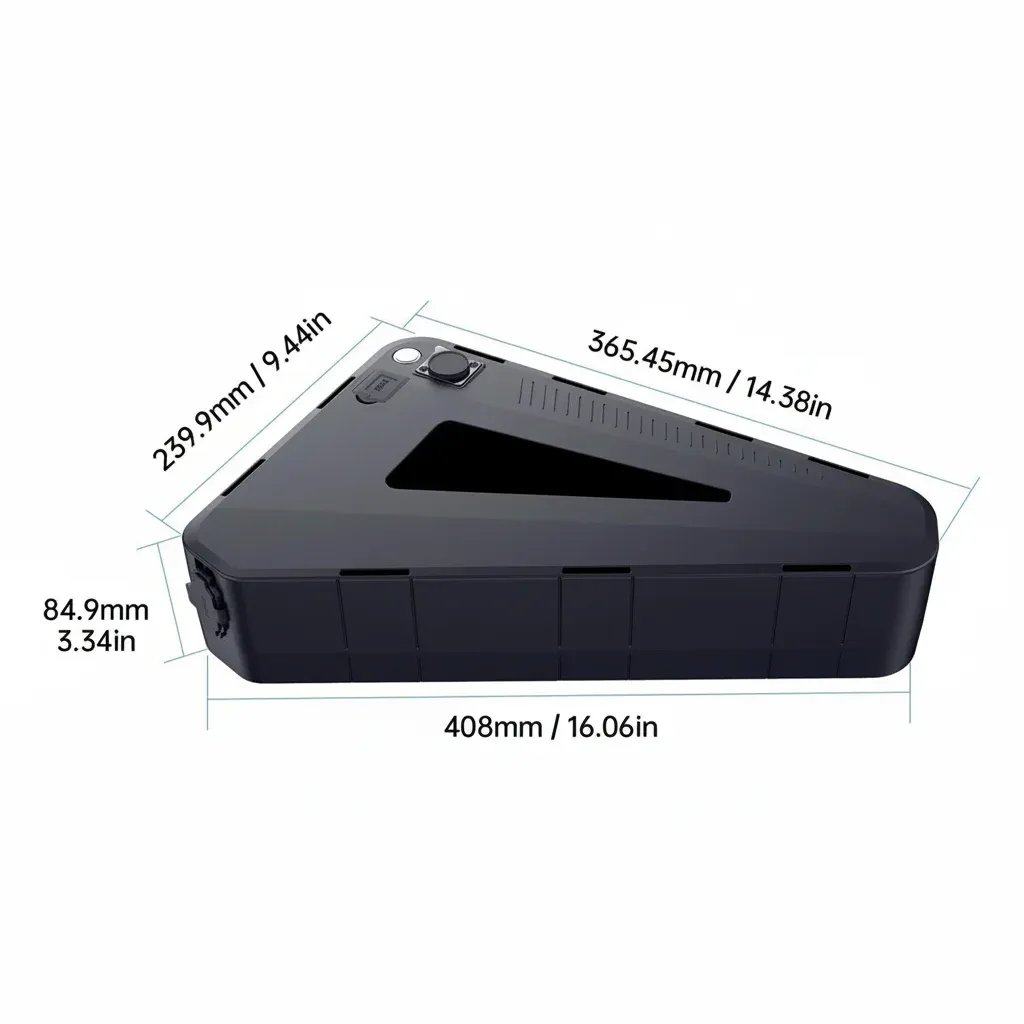
The best lithium-ion battery charging setup is the one that fits the real routine, not the listing with the longest feature list. Compare dimensions, materials, ongoing costs and the seller's support before judging colour or headline claims.

What to check before buying

FeatureWhy it matters
ChemistryLi-ion, LiFePO4, NiMH and other cells require different charge profiles; select support explicitly.
Cell countA loose-cell charger and a series battery-pack charger are not interchangeable.
Charge currentChoose a current within the cell maker's limit; faster charging adds heat and is not always desirable.
MonitoringIndependent channels, temperature protection, reverse-polarity protection and clear fault indications improve control.
SupplyUse the approved mains adaptor or USB supply from a reputable seller.

How to compare the options properly

The charger's output label must match the battery configuration, not merely the connector. A plug that fits can still deliver the wrong voltage or charge profile.

Charge on a hard, clear surface away from escape routes while awake and present. Stop for swelling, hissing, leakage, unusual smell, discolouration or excessive heat.

Who is it best for?

  • charging compatible loose cells
  • maintaining approved battery sets
  • monitoring each channel
  • replacing an exact manufacturer-specified charger

Quick buying checklist

  • Write down the exact dimensions, compatibility and performance needed before comparing listings.
  • Read the manufacturer's specification and instructions, not only marketplace bullets or review summaries.
  • Check what is included, which consumables or accessories cost extra and whether replacements are available in the UK.
  • Buy from a traceable seller with clear warranty, returns and product-safety information.
  • Inspect the product on arrival and stop using it if it is damaged, incomplete or inconsistent with the listing.

Safety, care and ownership

Keep batteries and chargers away from heat, moisture, metal objects and escape routes; stop using damaged equipment. Follow GOV.UK lithium-battery safety guidance and London Fire Brigade battery and charger guidance for official UK fire-safety advice.

FAQ

Can one charger handle every lithium battery?

No. It must support the exact chemistry, voltage and arrangement. Battery packs may also require a dedicated battery-management interface.

Is faster charging always safe?

No. Stay within the cell or pack manufacturer's limit and use a lower rate when specified.

Can I leave it charging overnight?

Official UK fire guidance advises charging while awake and present and unplugging when complete.

Final buying advice

Prioritise verified compatibility, traceable supply and conservative handling. Buy from a traceable UK seller with clear specifications, realistic delivery information and a returns policy you can use.

Ready to upgrade your ride with SDTYYP Battery?

Shop The Range — £569.86

Frequently Asked Questions

How do you change a car battery safely in the UK?

Park on level ground, switch off the ignition, and wear eye protection. Disconnect the negative (black) terminal first, then the positive. Fit the new battery, reconnect positive first, then negative, and dispose of the old unit at a battery recycling point — never household waste. If unsure about coding or electronics, use a garage.

How do you test a car battery at home?

A multimeter across the terminals should read roughly 12.6V+ at rest for a healthy 12V lead-acid pack; much lower suggests charge or replacement. Load/CCA testers give a clearer health picture. For lithium drop-ins, follow the pack maker’s voltage window — do not assume lead-acid thresholds.

How do you charge a car battery with a mains charger?

Use a charger matched to chemistry (lead-acid vs lithium/LiFePO4) and voltage. Connect positive to positive, negative to a clean earth/negative point, charge in a cool ventilated space, and never leave damaged or swollen packs on charge. Prefer smart chargers that taper/stop at full.

How long does a car battery typically last in the UK?

Many UK lead-acid starter batteries last about 3–5 years depending on short trips, cold winters and parasitic drain. Lithium leisure/e-moto packs vary widely by cycles and care — store cool, avoid deep discharge, and use the correct charger to protect lifespan.

Is overnight charging safe for lithium-ion batteries?

UK safety advice for mobility/power packs is to avoid long unattended overnight charging when practical. Use a matched lithium charger on a non-flammable surface, keep packs in sight during charge, and stop immediately if the pack swells, smells or runs unusually hot.

What should you do with a swollen lithium battery?

Stop using and charging it. Move it outdoors onto a non-flammable surface away from combustibles if safe to do so, and take it to a proper battery/hazardous recycling channel — never put swollen Li-ion in household bins. Do not puncture or crush the pack.

How should you store a lawn mower or e-moto battery over winter?

Store cool and dry (frost-free), ideally around mid state-of-charge rather than full or empty, and check charge every few months. Use only the manufacturer-matched charger when topping up. Avoid damp sheds with extreme temperature swings.

Can you use any charger for a lithium-ion pack?

No. Match chemistry, pack voltage and the maker’s charge limits. Lead-acid equalise/desulphation modes can push unsafe voltages on lithium. Knock-off chargers raise thermal-runaway risk — prefer branded, documented chargers with clear lithium profiles.

How does a BMS help when charging lithium batteries?

A battery management system monitors cell voltage, current and temperature, can disconnect on over-charge/over-discharge/short, and helps keep cells balanced. It is a safety layer — not a licence to use the wrong charger or ignore heat/swelling warnings.

Is a lawn mower battery the same as a car starter battery?

Usually no. Starter batteries are built for short high-current cranking; many mower/e-moto packs are deep-cycle or lithium systems with different connectors, BMS behaviour and chargers. Always match the equipment’s specified chemistry and voltage.

Answers for UK buyers from SDTYYP Battery. Rules and product guidance can change — check GOV.UK or the product manual for the latest requirements.