Battery Charging Lithium Ion Explained: A UK Buyer's Guide
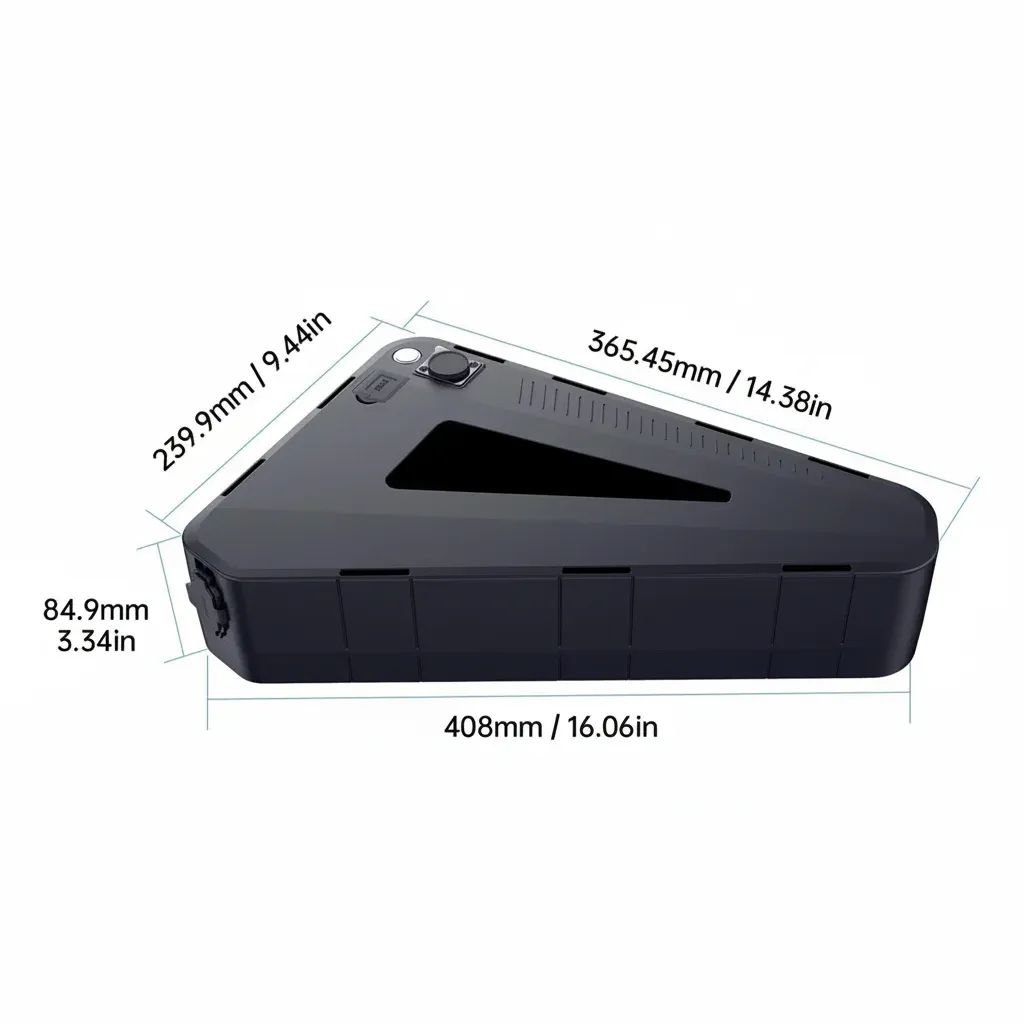
Battery charging lithium ion means charging a lithium-ion battery with the correct charger, voltage and safety controls for its chemistry. In practice, most lithium batteries charge using a constant current/constant voltage process, and they should not be charged like old lead-acid batteries. To charge safely and protect battery life, you need a compatible charger, a working Battery Management System (BMS), and sensible use within UK safety guidance.
TL;DR: Use a lithium-compatible charger matched to your battery’s voltage and chemistry, avoid lead-acid trickle or desulphation modes, rely on a proper BMS for protection, and charge in a dry, ventilated UK setting. Based on our testing with lightweight replacement batteries for e-motorcycles, mopeds and utility equipment, correct charging improves safety, charging speed and long-term performance.
Key Takeaways
- Lithium-ion batteries require a charger matched to the battery’s chemistry and voltage profile.
- Most lithium-ion charging follows a constant current/constant voltage process; overcharging must be prevented.
- A Battery Management System (BMS) is central to safe charging, cell balancing and protection.
- Replacing lead-acid with lithium can cut significant weight while improving usable power and recharge speed.
- UK buyers should check CE/UKCA compliance, charger protections, warranty support and safe storage guidance.
For UK buyers replacing heavy lead-acid batteries, this matters more than ever. SDTYYP Battery’s main proposition is straightforward: move to next-generation power with a lightweight 20Ah lithium battery built for demanding use, from e-motos to lawn mowers and heavy-duty gear. However, that upgrade only pays off fully if you understand battery charging lithium ion properly.
The practical appeal is easy to see. A lighter battery can improve handling on an electric moped, reduce strain when installing power in utility equipment and deliver more stable output under load. According to the UK Government’s vehicle licensing statistics, the shift towards electrified transport continues across Britain, so reliable charging knowledge is increasingly relevant for riders, fleet users and home owners alike. For broader charger selection advice, see The Ultimate Guide to Battery Charger For Lithium Ion Batteries in the UK.
What is battery charging lithium ion?
At its simplest, battery charging lithium ion refers to feeding energy back into a lithium-ion battery using a charger designed to control current and voltage within strict limits. Unlike older battery types that may tolerate cruder charging methods, lithium-ion cells need a defined charging profile.
Most lithium-ion batteries are charged in two main stages. First comes constant current, where the charger supplies a steady current until the battery reaches its upper voltage threshold. Then comes constant voltage, where voltage is held steady and current gradually tapers down until the battery is full or near full. As a result, this controlled process protects cell health and helps avoid overheating.
That is why a generic charger is rarely good enough. If you are moving from lead-acid to lithium for an e-motorcycle or heavy-duty mower setup, charger compatibility should be treated as part of the upgrade cost rather than an afterthought.
Why does lithium-ion charging differ from lead-acid?
Lead-acid batteries are heavier, less energy-dense and often slower to recharge efficiently. They also behave differently at partial charge states. By contrast, lithium-ion batteries hold voltage better during use, recharge more efficiently and deliver more usable capacity for their size and weight.
For UK users accustomed to trickle chargers designed for car or motorcycle lead-acid batteries, this is where mistakes happen. A lead-acid charger may use desulphation or float routines that are unsuitable for many lithium packs. Therefore, a proper lithium-compatible charger avoids those incorrect phases.
What does nominal voltage mean when charging?
When buyers talk about 12V lithium replacements, they are usually referring to a battery pack with a nominal voltage close to 12.8V for LiFePO4 designs or different nominal values depending on chemistry. The exact full-charge voltage matters because the charger has to stop at the right point.
If charger output exceeds what the pack was designed for, cell stress rises quickly. On the other hand, if it undershoots or uses the wrong profile, you may get incomplete charging or erratic performance.
How do you charge a lithium-ion battery properly?
A quality charger does far more than push electricity into a battery. It monitors conditions continuously and adjusts output as charge progresses. In practical terms, that means safer charging at home, in workshops or in commercial settings using electric utility equipment.
Stage 1: Constant current
The charger applies a controlled current based on what the battery can safely accept. During this stage the pack voltage rises steadily. Faster charging is possible here, but only within limits set by the cell design and BMS protections.
Stage 2: Constant voltage
Once maximum charge voltage is reached, the charger holds that voltage while current drops away naturally. Consequently, the final portion of charge is completed without forcing damaging excess current into already-full cells.
Stage 3: Cut-off or standby
A proper lithium-ion charger should then stop active charging or enter a suitable standby mode rather than applying an old-style continuous float routine intended for lead-acid systems. The exact behaviour depends on chemistry and pack design.
What charge rate should you use?
Charge rate affects convenience and longevity. A higher amp charger can reduce downtime but may generate more heat if pushed beyond what the battery was designed for. Meanwhile, a lower amp charger tends to be gentler but slower. The best choice depends on whether your priority is rapid turnaround for daily riding or routine overnight charging.
If you want a deeper look at choosing output ratings and matching chargers properly, read this detailed guide to battery chargers for lithium-ion batteries.
Can you use any charger for battery charging lithium ion?
No. You should use a charger that matches the battery’s chemistry, nominal voltage and recommended charge profile. In other words, not all chargers are interchangeable just because the plug fits or the label says 12V.
Based on our testing of replacement motorcycle and utility batteries, mismatched chargers are one of the most common causes of weak performance complaints after installation. Very often, the issue is not the battery itself but an incompatible legacy charger left over from an older lead-acid setup.
What happens if you use the wrong charger?
- The battery may never reach full charge
- The BMS may repeatedly cut in and out
- The pack may run hotter than expected
- You may shorten service life over time
- You could create an avoidable safety risk
What should UK buyers check before buying a charger?
- Correct output voltage for the pack
- Lithium-specific charging profile
- CE or UKCA marking where applicable
- Protection against overvoltage, short circuit and overheating
- Clear manufacturer guidance and warranty terms
- Mains compatibility for standard UK household supply
How does a BMS help when charging a lithium-ion battery?
The Battery Management System, usually shortened to BMS, is one of the most important features inside a modern lithium battery pack. It acts as the electronic safeguard between cells, load and charger.
BMS protection functions
- Overcharge protection
- Over-discharge protection
- Over-current protectionShort-circuit protectionTemperature monitoring in some packsCell balancing in multi-cell packs
This matters especially with high-demand applications such as electric motorcycles or utility gear where rapid discharge and regular recharging are normal. Without effective BMS control, uneven cell voltages can reduce range, shorten service life or increase failure risk.
Ready to upgrade your ride with {brand_name}?
Shop The Range — £19.99